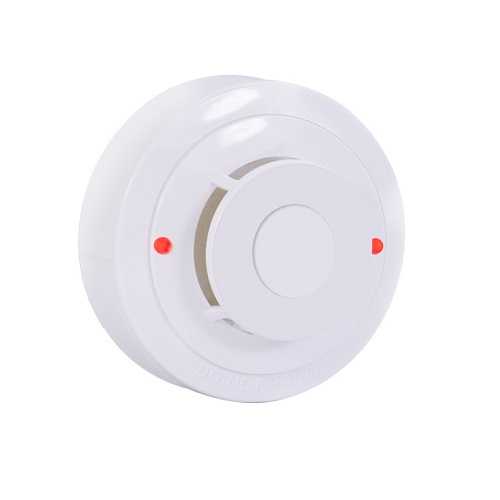
A stand-alone detector is a self-contained fire or smoke detection device designed to operate independently without the need for a connected control panel or central monitoring system. This type of detector is ideal for residential and small commercial applications where a full-scale fire alarm system might not be necessary. Stand-alone detectors are often installed in individual rooms or specific areas to provide localized fire detection and alert occupants to potential fires. Stand-alone detectors use various sensing technologies, such as ionization, photoelectric, or heat sensing, to detect smoke, heat, or other signs of fire. They are equipped with their own alarm system, typically including a loud siren or buzzer, and sometimes a visual indicator like a flashing LED. These detectors are designed for ease of installation and maintenance, offering a practical solution for enhancing fire safety in areas where a more extensive system is not required. Features Self-Contained: Operates independently without the need for a central control panel or external monitoring system, making it suitable for smaller applications or individual rooms. Detection Technologies: Utilizes various sensing technologies such as ionization, photoelectric, or heat sensing to detect smoke, heat, or fire, depending on the model. Ionization Detectors: Sensitive to small smoke particles, providing quick response to fast-flaming fires. Photoelectric Detectors: Sensitive to larger smoke particles, providing quick response to smoldering fires. Heat Detectors: Detect changes in temperature, triggering an alarm when a set temperature threshold is exceeded. Built-in Alarm: Equipped with an integrated alarm system, including a loud siren or buzzer that activates to alert occupants to the presence of smoke or fire. Visual Indicators: Often includes a visual indicator such as a flashing LED to show the detector’s status (e.g., power, alarm, or trouble conditions). Battery Powered: Typically operates on batteries, providing flexibility in placement and ensuring operation during power outages. Ease of Installation: Designed for straightforward installation with minimal tools required, allowing for quick setup in various locations. Maintenance-Friendly: Features easy-to-access components for routine maintenance, including battery replacement, cleaning, and testing. False Alarm Reduction: Includes mechanisms to minimize false alarms, such as dust and insect filters or intelligent algorithms that distinguish between real smoke and non-threatening particles. Compliance with Standards: Meets or exceeds industry standards and regulations for fire detection, ensuring effectiveness and legal compliance. Compact Design: Generally has a small and unobtrusive design, making it easy to fit into various locations without disrupting the aesthetics of the space. Test and Reset Functions: Includes test and reset buttons for checking functionality and resetting the detector after an alarm is triggered. Integration Options: Some models can be integrated with other stand-alone detectors or devices, such as carbon monoxide detectors, for enhanced safety.